Jewish Life of the Month: Sarah Bernhardt
Rebecca Keys
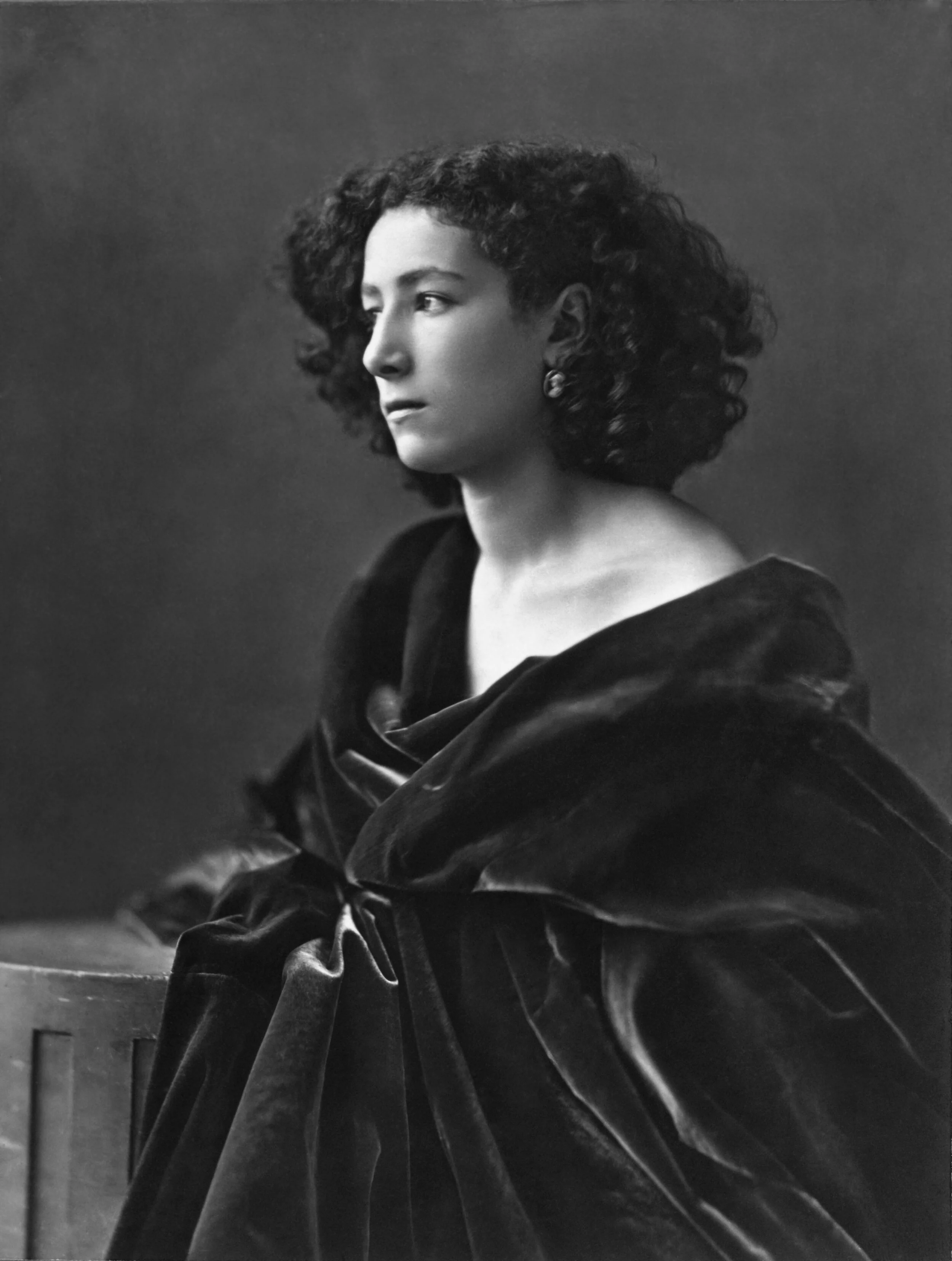
Image courtesy of Wikimedia Commons
Sarah Bernhardt
Dates
1844-1923
Background
The illegitimate—and scandalous—daughter of a courtesan who transformed herself into the most famous actress who ever lived, and into a national icon, a symbol of France.
Famous Quote
"The theatre is the involuntary reflex of the ideas of the crowd."

By Robert Gottlieb
Published September 21, 2010
256 pages
“A terrific book" —NPR
Everything about Sarah Bernhardt is fascinating, from her obscure birth to her glorious career—redefining the very nature of her art—to her amazing (and highly public) romantic life to her indomitable spirit. Well into her seventies, after the amputation of her leg, she was performing under bombardment for soldiers during World War I, as well as crisscrossing America on her ninth American tour.
Her family was also a source of curiosity: the mother she adored and who scorned her; her two half-sisters, who died young after lives of dissipation; and most of all, her son, Maurice, whom she worshiped and raised as an aristocrat, in the style appropriate to his presumed father, the Belgian Prince de Ligne. Only once did they quarrel—over the Dreyfus Affair. Maurice was a right-wing snob; Sarah, always proud of her Jewish heritage, was a passionate Dreyfusard and Zolaist.
Though the Bernhardt literature is vast, Gottlieb’s Sarah is the first English-language biography to appear in decades. Brilliantly, it tracks the trajectory through which an illegitimate—and scandalous—daughter of a courtesan transformed herself into the most famous actress who ever lived, and into a national icon, a symbol of France.